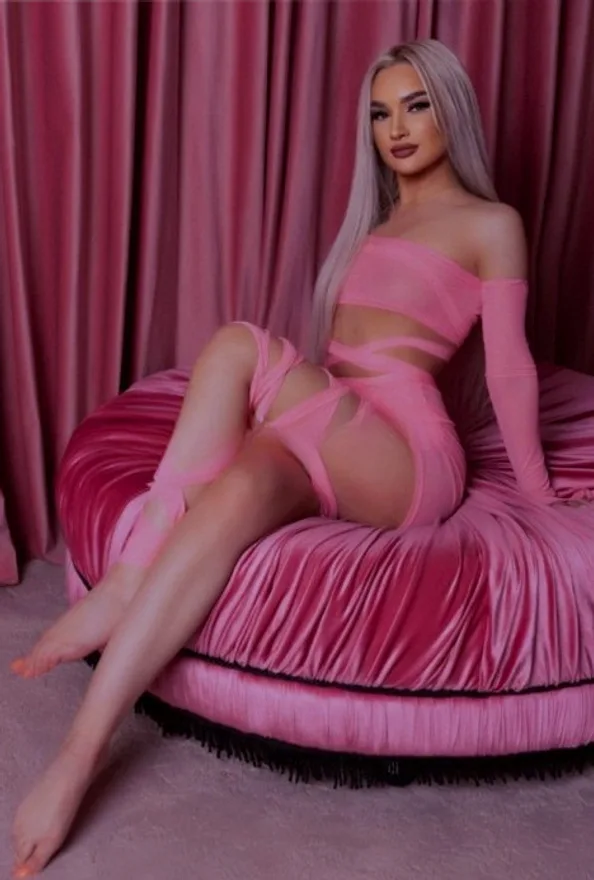
In the realm of physical presence, 48 kg / 106 lbs is not a statistic but a signature, a way of being that shapes how a body moves and rests. The heft of it is felt in the air around the figure, a subtle pressure that draws the eye and holds it, asking for patience and attention. This is not about extremes; it is about the quiet poetry of weight, the way it settles into the hips, the curve of a shoulder, the solidity of a stance. The form tells its own story, one of balance and groundedness, a narrative written in the language of mass and the spaces it occupies. To engage with this is to appreciate a different kind of allure, one that is both ancient and immediate, a celebration of the body's tangible reality.
There is a language spoken in the way a form carries its mass, a dialogue between bone and muscle that shapes the silhouette. When the gaze falls upon 48 kg / 106 lbs, it is not the number that commands attention but the quiet confidence it implies—a grounding that makes the air around the body feel stiller, more deliberate. The body becomes a sculpture of momentum, where every line holds a quiet tension, a promise of movement that never arrives. It is the kind of beauty that does not shout but settles into the room, a slow-burning ember of physical truth that invites a closer look.
Gravity's Quiet Pull (48 kg / 106 lbs)
In the shifting play of light, 48 kg / 106 lbs creates a unique geography of shadow and highlight, a map of contours that changes with each passing moment. The body moves with a weighty grace, as if the earth itself were a collaborator in its dance, each step a measured act of presence. There is an honesty in this form, a refusal to be anything but what it is—a solid, breathing entity that occupies space with quiet authority. To observe is to feel the pull of that gravity, to be drawn into a world where flesh and bone are not mere facts but the very poetry of existence, a testament to the beauty of the material.