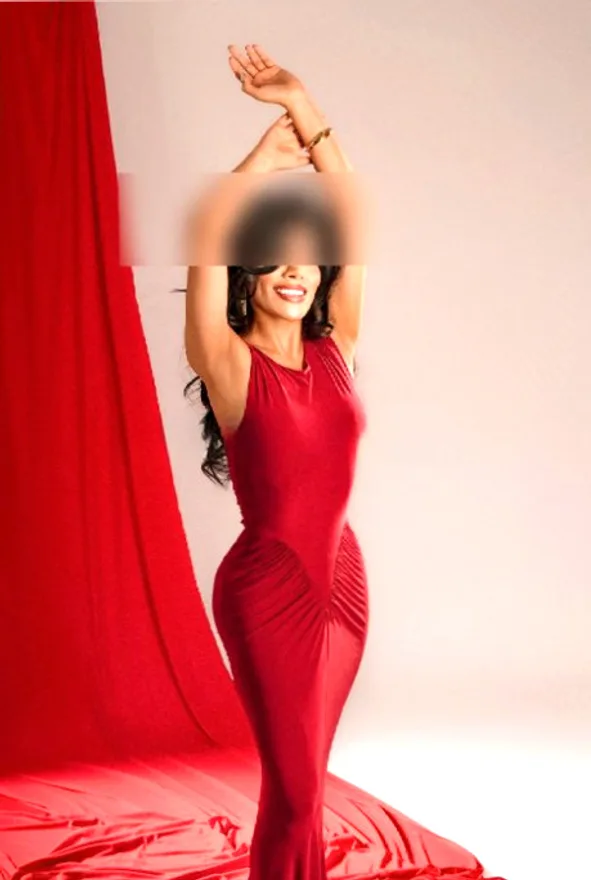
The filter for English, Spanish draws together a varied set of profiles, each with its own way of presenting information. Some listings may offer a dense block of text, while others keep their descriptions brief and to the point. The reader moves from one entry to the next, noting how the same attribute appears in different contexts and how the surrounding details shift the emphasis. There is no single template for how a profile should look, and that diversity becomes apparent when the selection is viewed as a whole. The browsing experience is one of quiet observation, where the eye wanders from one listing to another, weighing the visible elements. Some profiles might feature a longer narrative, while others rely on a few carefully chosen words. The decision of which to open first becomes a matter of instinct, guided by the shape of the text on the page. Over time, patterns emerge in how people choose to describe themselves, and this filter makes those patterns visible without ever forcing a conclusion.
A filter that gathers profiles by language creates a particular kind of quiet anticipation. Here, the selections are grouped around a shared trait—English, Spanish—and yet each entry holds its own rhythm. As the eye moves down the page, the differences emerge gradually: some listings lead with a dense paragraph, others offer only a few lines. The reader begins to notice how the same attribute can be framed in countless ways, each presentation carrying its own texture. Browsing becomes an act of gentle comparison, where the visible details—the length of a text, the order of information, the tone of a heading—shape the impression before a single word is read. There is no urgency, only the slow pleasure of surveying what has been gathered together.
Close Reading with English, Spanish
When the filter narrows the field to English, Spanish, the individual introductions take on a new resonance. Each profile offers a short text that may reveal how its author chooses to begin—perhaps with a direct statement, perhaps with a softer opening. The reader can linger over these passages, noting the cadence and the selection of details, and how a single phrase can set a different mood. One introduction might feel spare and precise, while another unfolds with a more leisurely pace. This closer reading invites a slower kind of browsing, where the weight of a few sentences matters more than any list of attributes. The act of comparing becomes a study in self-presentation, each entry a small window into a distinct voice.